Why the Process Matters More Than the Finished Picture
17/03/26 Knowledge Base Welcome to kinderzimmerWhy the Process Matters More Than the Finished Picture
For many parents, the moment their child proudly hands over a painting or drawing is a cherished one. Yet in the most thoughtful early years environments, the true value of art lies not in the finished picture but in the creative journey that produced it.
At kinderzimmer, we embrace educational philosophies that prioritise exploration, independence and deep engagement. Inspired by the principles of Maria Montessori, Rudolf Steiner, and Friedrich Fröbel, our approach places the process of learning at the heart of every activity.
For many families across London and the Home Counties, choosing a nursery is about more than childcare alone. It is about understanding how children learn, and why the process of creating often matters far more than the finished picture.
The Difference Between Process Art and Product Art
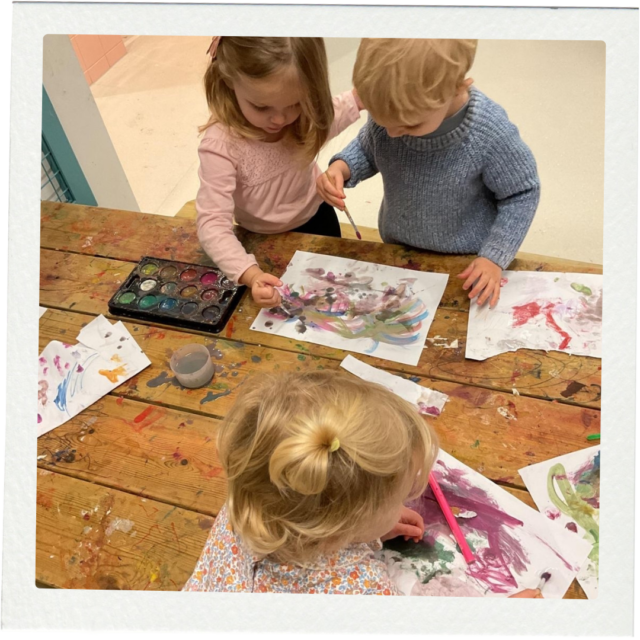
A helpful way to understand this philosophy is through the distinction between process art and product art.
Product-focused art tends to look the same for every child. Like activities where each child follows instructions to create an identical snowman, flower, or card.
Process-focused art allows children to explore freely. They may:
- Mix colours simply to see what happens
- Experiment with textures like clay, sand, or natural materials
- Use tools in unexpected ways
- Abandon a painting halfway through and begin something new
The outcome may not resemble a recognisable picture, but that is precisely the point!
Through these experiences, children are developing fine motor skills, problem-solving abilities, sensory awareness, and confidence in their own ideas. The finished piece becomes secondary to the discoveries made along the way.
The kinderzimmer Three-Strand Approach
At kinderzimmer, the idea that the process matters more than the finished picture is built into our curriculum through our Three-Strand Approach. This philosophy draws inspiration from the work of Montessori, Steiner, and Fröbel.
Although each approach developed in a different way, they share a common belief: children learn best through exploration, creativity and hands-on discovery.
From Montessori, children are encouraged to work independently, choosing materials and exploring them at their own pace. Steiner’s philosophy nurtures imagination and emotional expression through open-ended creative experiences. Fröbel’s ideas place play and experimentation at the centre of learning, recognising that children understand the world by actively engaging with it.
Together, these three strands create an environment where children are free to experiment, follow their curiosity and develop confidence in their ideas.
Rather than focusing on producing identical artwork, the emphasis is on what children experience while they create, the experimenting, thinking, discovering and imagining that happens along the way.
Because in early childhood education, the most meaningful learning rarely lies in the finished picture, but in the process that created it.
Why This Matters for Your Child’s Development
For families who value thoughtful early education, the focus on creative exploration in early years is not simply about art. It supports some of the most important developmental skills children will ever build:
Problem-Solving – When there is no “right answer,” children learn to think creatively and try different solutions.
Confidence – Children develop trust in their own ideas rather than relying on adult approval.
Emotional Expression – Art becomes a powerful outlet for feelings that children may not yet have the words to express.
Deep Engagement – Process-led activities encourage longer periods of concentration and meaningful learning.
How kinderzimmer Encourages Process-Led Learning
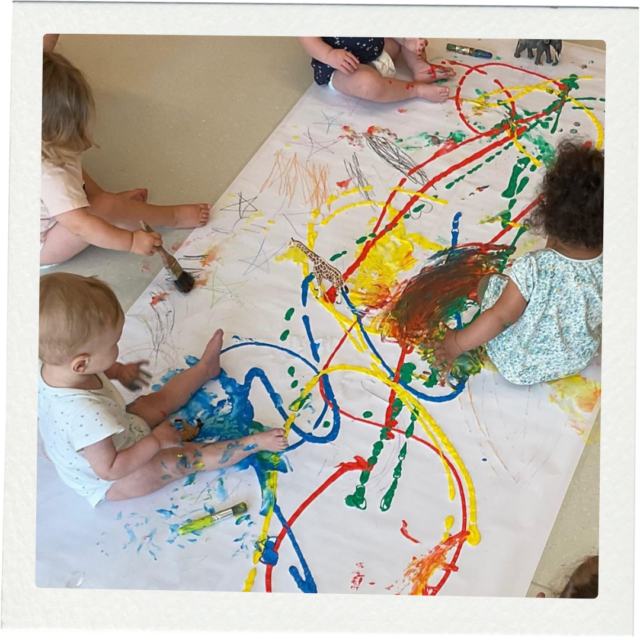
At kinderzimmer, our environments are intentionally designed to support process-led learning.
Children are offered:
- Open-ended creative materials rather than rigid craft templates
- Time and space to explore, without pressure to produce a finished product
- Thoughtful guidance from educators who observe and support rather than direct
The result is an atmosphere where children feel confident experimenting, making mistakes, and discovering new possibilities.
You Might Also Like...
Supporting Your Child Through Transitions: Helping Children Feel Confident and Secure at kinderzimmer
Knowledge Base Welcome to kinderzimmer Read more