Why Trying and Failing Is a Good Thing For Children
30/03/26 Knowledge Base Welcome to kinderzimmerWhy Trying and Failing Is a Good Thing For Children
For many parents, the instinct to step in and help is immediate. Whether it’s fastening a button, completing a puzzle or climbing just a little higher, it can feel natural to smooth the path ahead.
Yet in early childhood, some of the most important learning happens when things don’t go to plan.
At kinderzimmer, we believe that giving children the space to try, struggle and try again is not only beneficial, it is essential. Through these small, everyday challenges, children begin to develop resilience, confidence and a deep belief in their own ability.
Why Struggle Matters in Early Childhood
Struggle in early childhood does not mean distress or frustration without support. Instead, it refers to those manageable challenges where a child is stretching just beyond what feels easy.
These moments might look like:
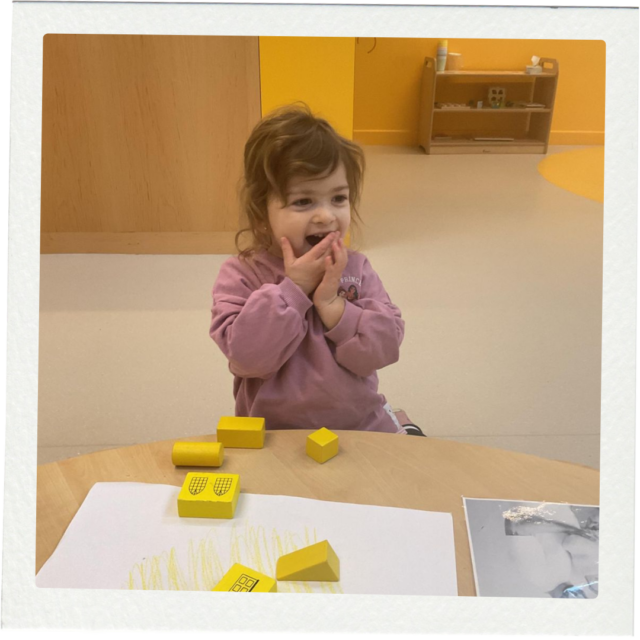
- Trying to balance blocks that keep falling
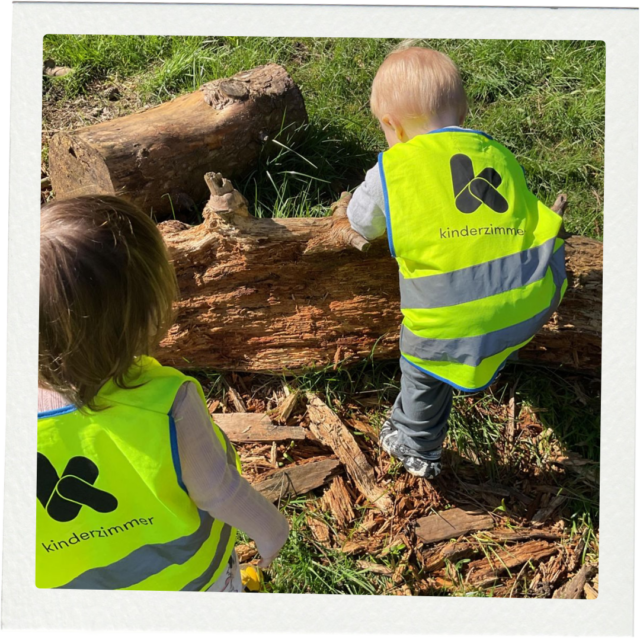
- Working out how to put on a coat
- Attempting to solve a puzzle independently
- Navigating a new social situation
When children are given time to work through these experiences, they are building far more than practical skills. They are learning:
- Perseverance: to keep going when something feels difficult
- Problem-solving: to try different approaches
- Emotional regulation: to manage frustration
- Self-belief: to trust that they can succeed
Without these opportunities, children may come to rely on adults too quickly, missing the chance to develop these essential life skills.
The Role of the Adult: When to Step In, and When Not To
One of the most powerful, and often most challenging, aspects of early years education is knowing when to help and when to pause.
At kinderzimmer, educators take a thoughtful, responsive approach. Rather than immediately stepping in, they:
- Observe carefully
- Allow time for the child to attempt independently
- Offer gentle encouragement rather than solutions
- Step in only when support is truly needed
This approach is rooted in the work of Montessori, who spoke of helping children to “do it themselves.”
It is also reflected in the philosophies of Steiner and Fröbel, who both recognised that growth comes through experience, not instruction alone.
The kinderzimmer Three-Strand Approach
Our Three-Strand Approach brings together the strengths of Montessori, Steinerand Fröbel to create an environment where children feel safe to take risks and learn through experience.
- Independence (Montessori): Children are encouraged to try things for themselves, building confidence through real achievement.
- Emotional development (Steiner): Children are supported in understanding and managing feelings that come with challenge.
- Play and exploration (Fröbel): Open-ended activities invite experimentation, problem-solving and discovery.
Within this balanced approach, struggle is not something to avoid, it is something to support carefully and thoughtfully.
Why “Getting It Wrong” Builds Confidence
It may seem counterintuitive, but children do not build confidence by always succeeding.
They build confidence by experiencing challenge, working through it, and eventually saying: “I did it!”
When children are allowed to make mistakes, they begin to understand that:
- Mistakes are part of learning
- Effort matters more than immediate success
- They are capable of overcoming difficulty
This mindset lays the foundation for resilience not just in early childhood, but throughout school and later life.
A Thoughtful Approach for Families
For families across London and the Home Counties, where opportunities and expectations can be high, it can be tempting to prioritise outcomes, the right answer, the finished task, the immediate success.
But in early childhood, the focus is different. It is about building the skills behind the outcome: perseverance, independence, emotional strength and curiosity.
At kinderzimmer, we create environments where children are supported to take these small risks every day, to try, to struggle, and to succeed in their own time.
Because sometimes, the most valuable words a child can say are not “look what I made,” but “I did it myself.”
You Might Also Like...