Why Is Tummy Time Important for Baby Development?
Tummy time is one of those phrases that parents often hear when they have a new baby, but it can be difficult to know exactly what it means or why it’s important.
Tummy time simply means giving your baby time on their tummy while they’re awake and supervised.
It might look like a very simple activity, but these short periods of movement help babies develop the muscles and physical skills they’ll use as they grow.
Why is tummy time important?
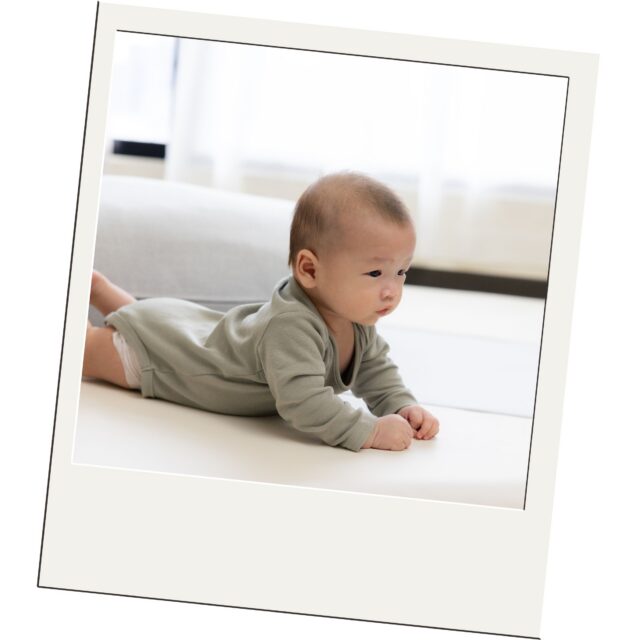
Tummy time helps babies strengthen the muscles they need for future physical milestones, including sitting and crawling.
The NHS recommends starting tummy time from birth, gradually building it up as your baby becomes more comfortable.
It also gives babies the opportunity to experience movement from a different position and encourages them to lift and turn their head, push through their arms and eventually reach for objects.
When can you start tummy time?
You can start tummy time from birth.
For a newborn, this doesn’t have to mean placing them on a play mat for a long period.
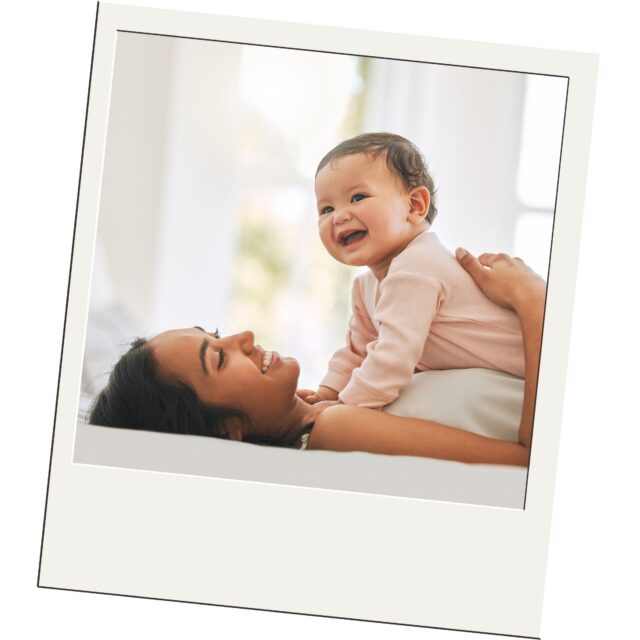
One simple way to begin is by placing your baby on your chest while you’re awake and alert.
As they become more comfortable, you can gradually introduce tummy time on a safe, firm surface.
The NHS recommends little and often to begin with, gradually increasing the amount of tummy time over time.
How much tummy time does a baby need?
There’s no need to expect your newborn to happily spend a long time on their tummy straight away.
Some babies love it. Others protest immediately.
Short, frequent sessions are a good starting point. As your baby’s strength and confidence develop, they can spend longer periods playing on their tummy.
Every baby develops at their own pace, so try to focus on gradual progress rather than comparing your baby with another.
What if my baby doesn't like tummy time?
You’re not doing anything wrong.
Some babies simply don’t enjoy being placed on their tummy at first.
Try making it more interesting:
- lie down face-to-face with your baby
- sing or talk to them
- place a favourite toy nearby
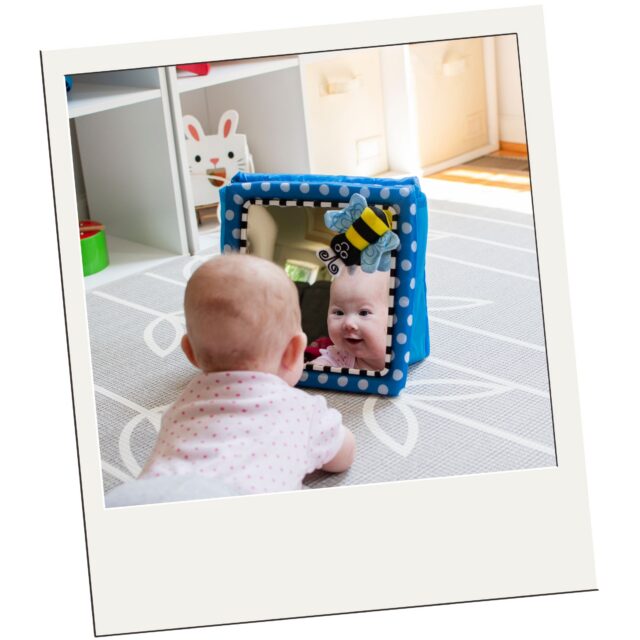
- use a mirror for them to look at
- put yourself at their eye level
- keep sessions short and positive
You can also try tummy time at different points during the day when your baby is alert and content.
What does tummy time help babies learn?
Tummy time supports the physical foundations for movement.
As babies become stronger, they can begin to:
- lift and control their head
- push through their arms
- reach for objects
- turn towards sounds and faces
- shift their weight
- develop the strength needed for rolling
- work towards sitting and crawling
It also gives babies an opportunity to explore their environment from a new perspective.
Tummy time is not the same as sleep time
Tummy time should only happen when your baby is awake and supervised.
When your baby is sleeping, always follow current safer sleep guidance. The NHS recommends putting babies on their backs for every sleep.
If your baby falls asleep during tummy time, move them to their safe sleep space.
How we support physical development at kinderzimmer
At kinderzimmer, babies have opportunities to move, explore and develop at their own pace.
Our curriculum places a strong emphasis on exploration, with environments designed to encourage children to interact with their surroundings and build confidence through hands-on experiences.
For babies, that might mean floor-based movement, reaching for objects, exploring different textures, interacting with educators or simply having space to move freely.
You can explore our curriculum to find out more about our approach to early years development.
Remember
Tummy time doesn’t need to be complicated.
A few minutes of supervised tummy time while you’re talking, singing and playing with your baby can become a natural part of your day.
Keep it positive, follow your baby’s cues and gradually build up the time as they become stronger and more comfortable.