Separation Anxiety at Nursery: What Can Help?
20/10/26 Knowledge Base Parenting Welcome to kinderzimmerSeparation Anxiety at Nursery: What Can Help?
The first few nursery drop-offs can be emotional.
Your child might cling to you, cry when you leave or suddenly seem much more attached than usual.
And even when you know they’re going somewhere safe and positive, walking away while they’re upset can feel incredibly difficult.
The good news is that separation anxiety is a normal part of early childhood development.
Why does separation anxiety happen?
The NHS says separation anxiety is common in children between around 6 months and 3 years, although it can happen for longer or appear again during periods of stress or change.
As babies develop, they become increasingly aware that their parent or main carer is a separate person.
They also become more aware that when you leave, they can’t immediately see you.
That can make separation feel much more difficult.
Starting nursery can be a particularly big change because your child is getting used to a new environment, new adults and new routines all at once.
Does crying at drop-off mean my child doesn't like nursery?
Not necessarily.
A child can be excited about nursery and still find saying goodbye difficult.
They might cry when you leave and then become settled shortly afterwards.
This is why it’s useful to look at the bigger picture rather than judging your child’s whole nursery experience by the few minutes around drop-off.
Over time, children learn that you leave and then come back.
Keep goodbyes calm and predictable
A long goodbye can sometimes make separation harder.
Try creating a simple routine:
“One big cuddle, one kiss, then I’ll see you after your afternoon snack.”
The exact words don’t matter as much as making the routine familiar.
Avoid repeatedly returning after you’ve said goodbye unless the nursery asks you to, as this can make the separation feel unpredictable.
Talk about when you'll return
Young children don’t always understand clock times.
Instead of saying:
“I’ll be back at 5pm.”
You might say:
“I’ll come back after you’ve had lunch, played outside and had your afternoon snack.”
Giving them something familiar to connect your return to can make the day easier to understand.
Practice small separations
Before starting nursery, you can give your child opportunities to spend short periods away from you with someone they know and trust.
The NHS suggests gradually building up separations so children become familiar with the experience of being apart and then being reunited.
Let your child bring comfort
If the nursery allows it, a familiar comforter or other appropriate object can help your child feel connected to home.
You can also talk about the things they’ll see at nursery.
“Your favourite book will be there.”
“You’ll see Sarah when you arrive.”
“Your bag will be in the same place.”
Familiarity can make a new environment feel less overwhelming.
Don't disappear without saying goodbye
It can be tempting to sneak away while your child is distracted because you don’t want to see them cry.
But this can make it harder for children to understand when and why you leave.
A clear, calm goodbye helps build trust.
The NHS recommends saying goodbye positively and confidently while helping children understand that you will return.
Remember that settling isn't a race
Some children settle quickly. Others need more time. Neither means anything negative about the child.
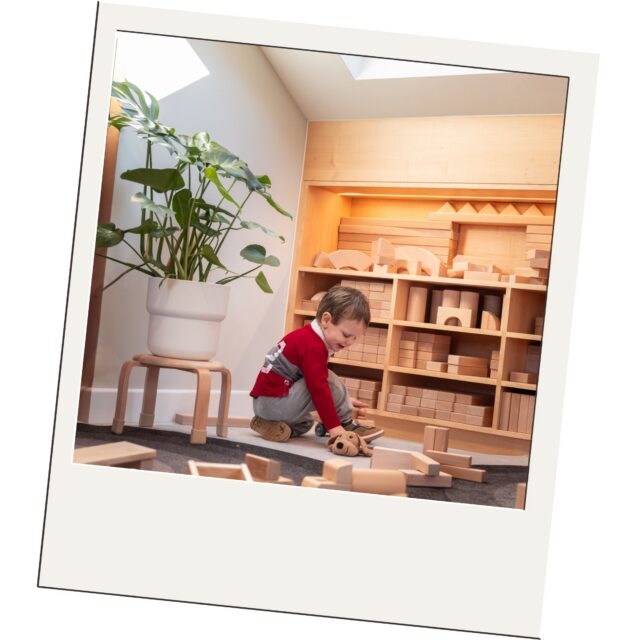
At kinderzimmer, we don’t expect every child to settle in exactly the same way. Each child has a key person and receives three free settling-in sessions, with the process adapted according to their individual needs.
Our settling-in process can include time for parents and children to attend together before gradually increasing the child’s time independently. Find out more about settling in at kinderzimmer.
What if my child is still very upset?
If your child remains extremely distressed for a prolonged period, talk to the nursery team.
They can tell you what happens after you leave and work with you to think about whether anything could make the transition easier.
If separation anxiety is causing significant distress or continues for several weeks, the NHS recommends speaking to your health visitor.
You aren't doing anything wrong
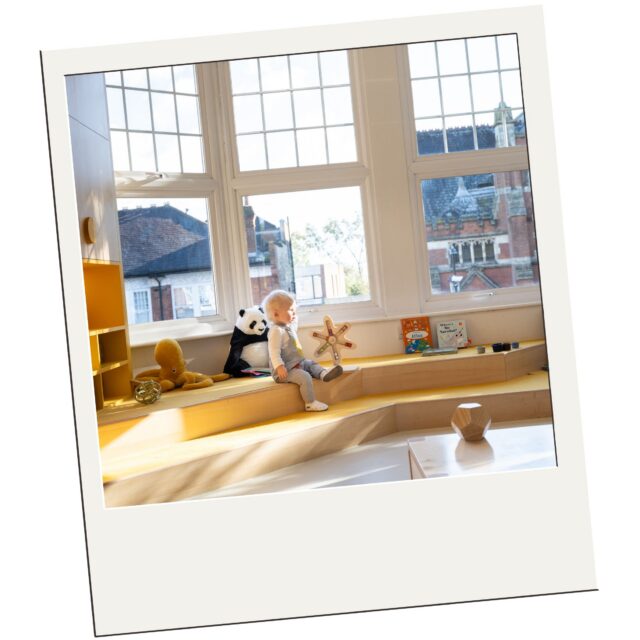
It’s completely understandable to feel emotional when your child cries at the door.
Starting nursery is a transition for parents as well as children.
With consistency, supportive relationships and time, children can gradually learn that nursery is a safe place to explore, play, build relationships and have fun – and that you really do come back.