Baby-Led Weaning vs Traditional Weaning: What’s the Difference?
22/10/26 Baking Knowledge Base ParentingBaby-Led Weaning vs Traditional Weaning: What's the Difference?
Starting solid foods can feel like a major milestone.
Then comes the terminology: purées, finger foods, baby-led weaning, spoon feeding, textures, allergens…
It can quickly become confusing.
The good news is that there isn’t one single approach that every family has to follow.
When should babies start weaning?
The NHS recommends introducing solid foods at around 6 months, alongside breast milk or first infant formula.
If your baby was born prematurely, the NHS recommends speaking to your health visitor or GP about when to start.
Look for signs that your baby is developmentally ready rather than simply relying on their age alone.
What is traditional weaning?
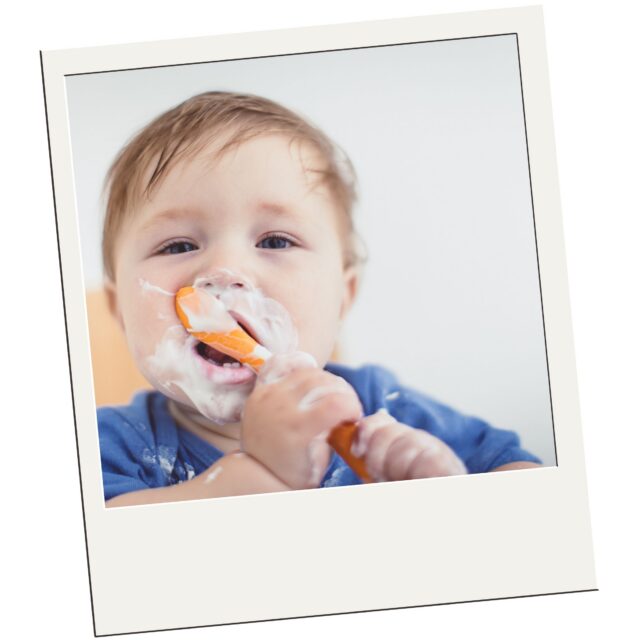
Traditional weaning usually involves introducing food using a spoon, often beginning with smooth or mashed textures.
As your baby becomes more confident, you can gradually introduce thicker, lumpier textures and finger foods.
The aim isn’t to stay with smooth purées indefinitely. Babies need opportunities to learn how to chew, move food around their mouths and manage different textures.
What is baby-led weaning?
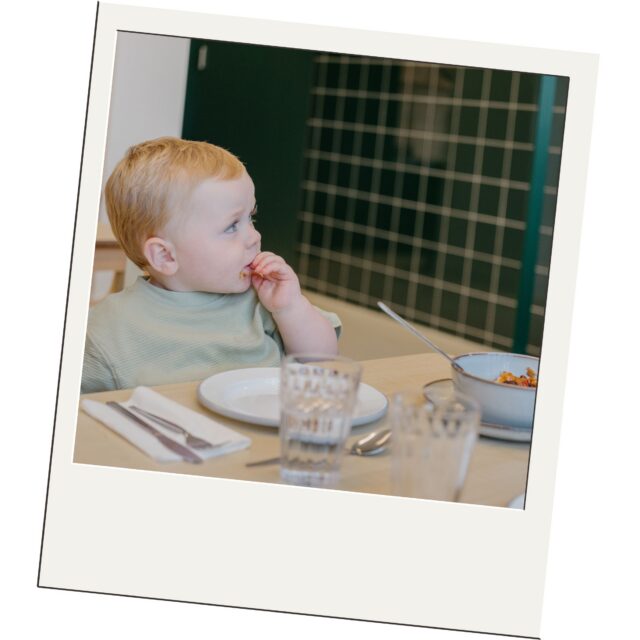
Baby-led weaning generally means offering finger foods and allowing your baby to feed themselves rather than starting with spoon-fed purées.
Your baby can pick up food, explore it and decide how much to eat.
The NHS notes that some parents prefer baby-led weaning, while others use a combination of approaches.
Is baby-led weaning better?
There isn’t a requirement to choose one method.
The NHS states that there’s no right or wrong way to introduce solid foods, provided your baby receives a varied diet and the nutrients they need.
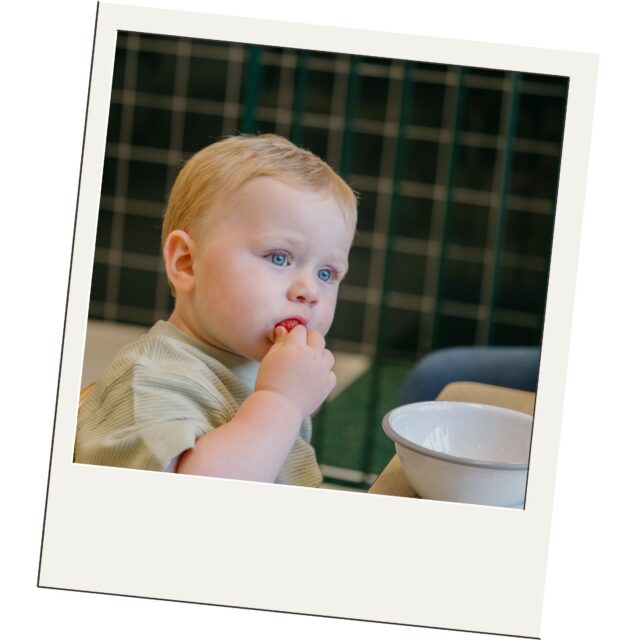
Some families prefer baby-led weaning because it allows children to feed themselves from the beginning.
Others prefer spoon feeding because it feels more manageable at first.
Many families use a combination.
What does combination feeding look like?
You might offer:
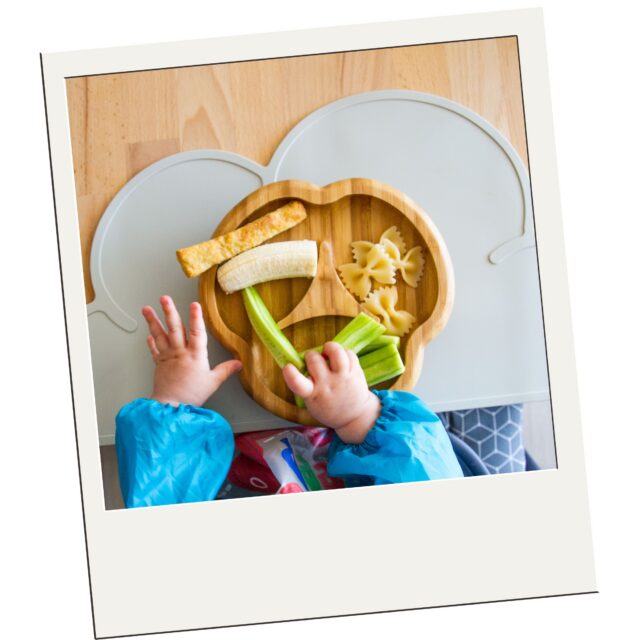
- soft finger foods
- mashed foods on a pre-loaded spoon
- foods your baby can pick up themselves
- family foods adapted to be suitable for your baby
This can give your baby different ways to explore food.
The important thing is to gradually introduce a variety of tastes and textures.
Why are textures important?
Texture is part of learning to eat.
The NHS recommends moving babies on from smooth or blended foods towards mashed, lumpy and finger foods as they become able to manage them.
This helps babies practice chewing, moving food around their mouths and swallowing.
It can take time for some babies to become comfortable with new textures, so repeated exposure can be helpful.
What foods can babies eat?
There are lots of foods that can form part of a varied diet from around six months, including suitable soft vegetables, fruit, pulses, cooked starchy foods, eggs, fish without bones and other appropriate foods.
Food should always be prepared appropriately for your baby’s age and development.
Some foods present choking risks, so make sure you follow current NHS food safety guidance when preparing meals.
What about weaning at nursery?
If your baby starts nursery while they’re going through the weaning stage, communication between home and nursery becomes particularly important.
At kinderzimmer, we support children through different stages of weaning and work with parents around their preferred approach and their child’s readiness. Mealtimes are recorded through the kinderzimmer app, helping parents stay up to date with what their child has eaten.
Our nursery kitchens also provide children with opportunities to develop confidence around food as they grow. Find out more about nutrition at kinderzimmer.
There isn't one perfect approach
Baby-led weaning and traditional weaning don’t have to be opposing choices.
What works for one family might not work for another, and your baby’s needs will change as they grow.
The most important things are that your baby is ready to start solids, food is prepared safely, they are offered a varied diet and they have the opportunity to gradually explore different tastes and textures.
You Might Also Like...

Meet the Head of Nursery – Netta, Muswell Hill
Knowledge Base Welcome to kinderzimmer Read more
What to Look Out for When Choosing Your Child’s Nursery: A Guide for Parents
Parenting Read more