Baby-Led Weaning vs Traditional Weaning: What’s the Difference?
27/10/26 Baking Knowledge Base ParentingHow to Help Your Toddler Regulate Their Emotions
Toddlers have big feelings.
They can be delighted one minute and lying on the floor crying because you cut their toast the wrong way the next.
It can be difficult to know how to respond, especially when you’re already tired, running late or trying to get out of the house.
But emotional regulation is something children learn gradually. Toddlers aren’t expected to manage their emotions independently straight away.
What does emotional regulation mean?
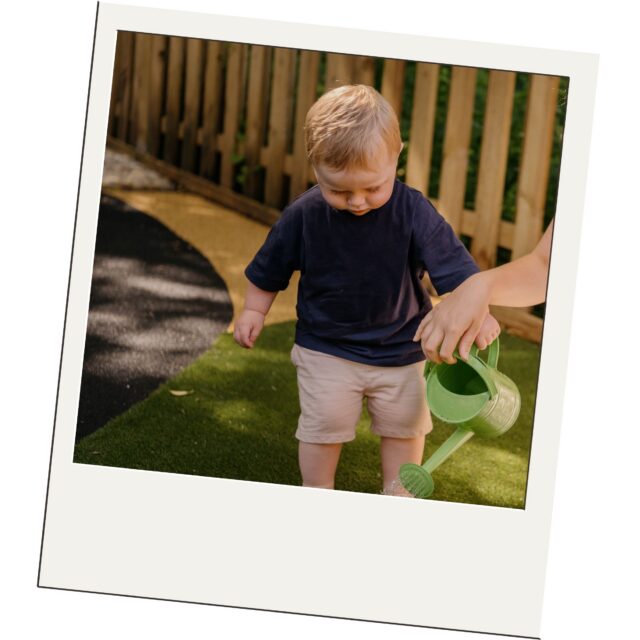
Emotional regulation is the ability to recognise, manage and respond to feelings.
Adults have spent years developing these skills, but toddlers are only just beginning.
A toddler might know that they’re angry but have no idea what to do with that feeling.
That’s why big emotions can sometimes come out as:
- crying
- shouting
- hitting
- throwing
- screaming
- running away
- refusing
- collapsing on the floor
These behaviours can be difficult, but they’re often signs that a child is struggling to manage what they’re feeling.
Why do toddlers struggle with emotions?
Toddlers are becoming increasingly independent while still relying heavily on adults for support.
They want to do things themselves, but don’t always have the communication, impulse control or problem-solving skills to make that happen.
The NHS explains that toddlers are still developing the ability to manage their emotions, and that big feelings and tantrums are a normal part of development.
Stay calm where you can
This is probably the hardest piece of advice to follow when your toddler is screaming.
But your own calm can help provide the sense of safety your child needs while they’re overwhelmed.
You don’t have to speak in a perfectly calm voice every time.
Even something simple like:
“I’m here.”
“You’re safe.”
“I know you’re upset.”
can be enough.
Name the feeling
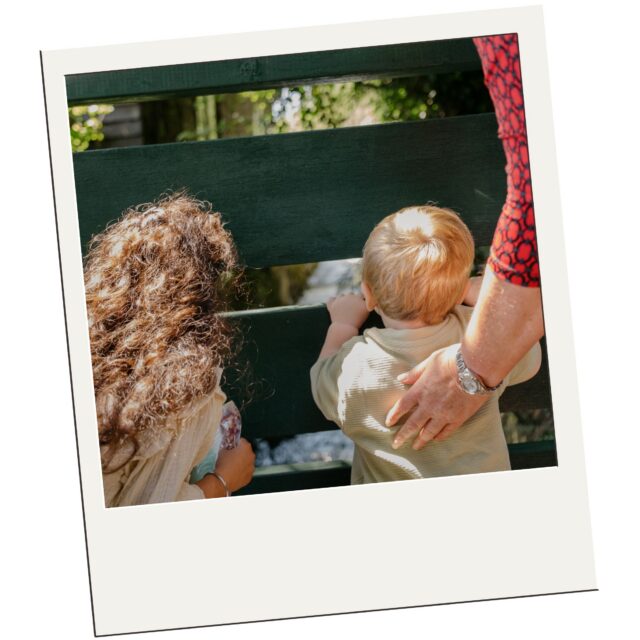
Toddlers don’t automatically know the words for what they’re experiencing.
You can help by putting language around it.
“You wanted to stay at the park.”
“You’re angry because your brother has the toy.”
“You’re disappointed that we can’t have ice cream.”
The NHS recommends naming emotions as part of helping toddlers develop the ability to understand and manage their feelings.
Regulate before you reason
When a toddler is extremely upset, a long explanation probably isn’t going to help.
The NHS describes a helpful approach as regulate, relate and reason. First help your child become calmer, then reconnect with them, and only once they’re calm enough to listen should you talk through what happened.
So instead of:
“We’ve talked about this three times and I told you…”
Try:
“I know you’re angry. I’m here.”
Then, once they’re calm:
“You were angry because we had to leave. It’s OK to feel angry, but we can’t hit.”
Give simple choices
Toddlers often want control over their world.
Offering limited choices can give them some independence while keeping the overall boundary in place.
“Do you want your shoes on first or your coat?”
“Would you like to walk to the bathroom or shall I carry you?”
“Do you want the red cup or the blue cup?”
You don’t need to offer choices about everything.
Prepare children for transitions
Sudden changes can be difficult for toddlers.
If you’re leaving the park, for example, give them some warning:
“Five more minutes, then we’re going home.”
Then:
“One more turn on the slide, then shoes.”
Predictability can make transitions easier.
Let them have feelings
You don’t need to stop every tear.
Sometimes the most helpful response is simply to stay close while your child experiences the emotion.
You can acknowledge how they feel without changing the boundary.
“I know you’re upset. We’re still going home.”
“It’s OK to be angry. I’m not going to let you hit.”
This teaches children that feelings are manageable and that boundaries remain safe and predictable.
Talk about emotions when your child is calm
The best time to teach emotional regulation isn’t necessarily during a tantrum.
Talk about feelings during ordinary moments.
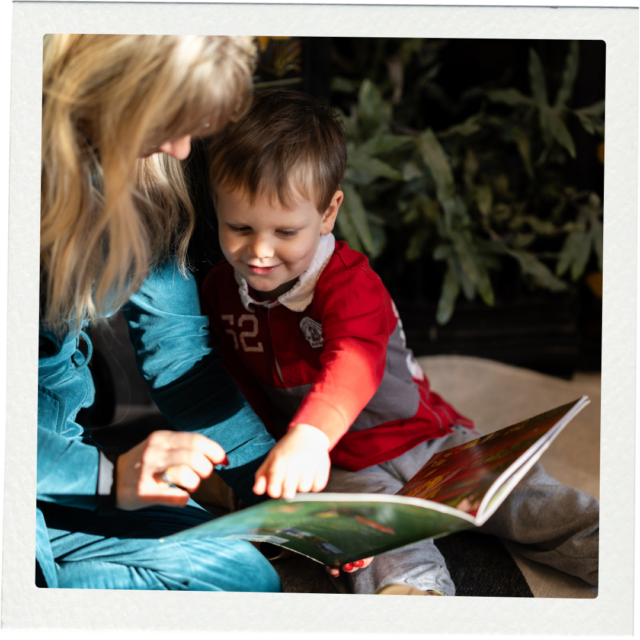
Read books about emotions.
Point out facial expressions.
Talk about how characters might feel.
Tell your child how you’re feeling in simple language.
“You look excited.”
“I’m feeling tired today.”
“That made me frustrated.”
These everyday conversations build emotional vocabulary over time.
How kinderzimmer supports emotional development
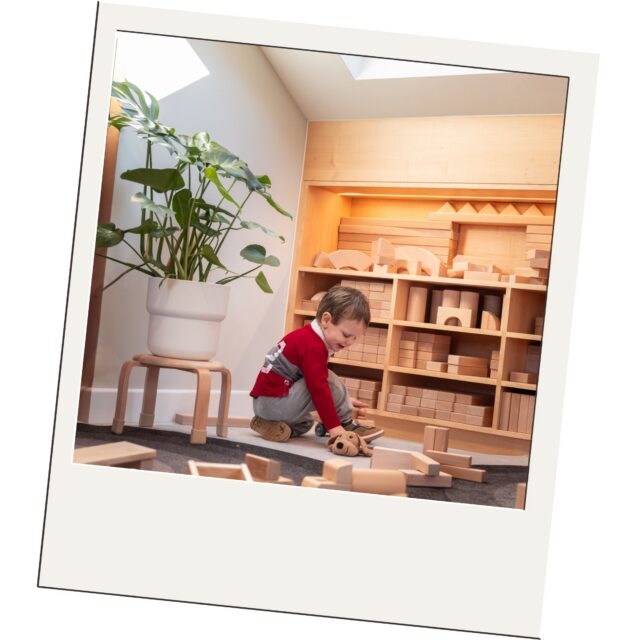
At kinderzimmer, we recognise that every child develops differently and that emotional wellbeing is an important part of early years development.
Our approach encourages children to build confidence and independence within supportive relationships. Our educators get to know children as individuals, helping them communicate their needs and develop the skills they need to navigate everyday experiences.
Our environments also give children opportunities to make choices, explore at their own pace and interact with other children. Explore the kinderzimmer curriculum.
Your toddler isn't giving you a hard time
Sometimes they’re having a hard time.
That doesn’t mean every behaviour should be allowed, and it doesn’t mean parents need to accept hitting or other unsafe behaviour.
It means that boundaries and emotional support can exist together.
Your toddler is still learning how to handle frustration, disappointment, excitement and anger.
They won’t master it overnight.
But every time you help them name a feeling, calm down, reconnect and try again, you’re helping them build a skill they’ll use for years to come.
You Might Also Like...

How Sensory Play Supports Brain Development in Babies
Knowledge Base Parenting Welcome to kinderzimmer Read more
How kinderzimmer Supports Preschoolers Through Meaningful Learning
Knowledge Base Welcome to kinderzimmer Read more