How Do Children Learn to Make Friends?
How Do Children Learn to Make Friends?
Making friends might seem like something that simply happens, but for young children, friendship is a skill they develop over time.
From watching another child play to eventually working together on a game, early friendships are built through hundreds of small interactions. Children learn how to communicate, share space, understand other people’s feelings and resolve disagreements as they grow.
So, what can parents do to support this process?
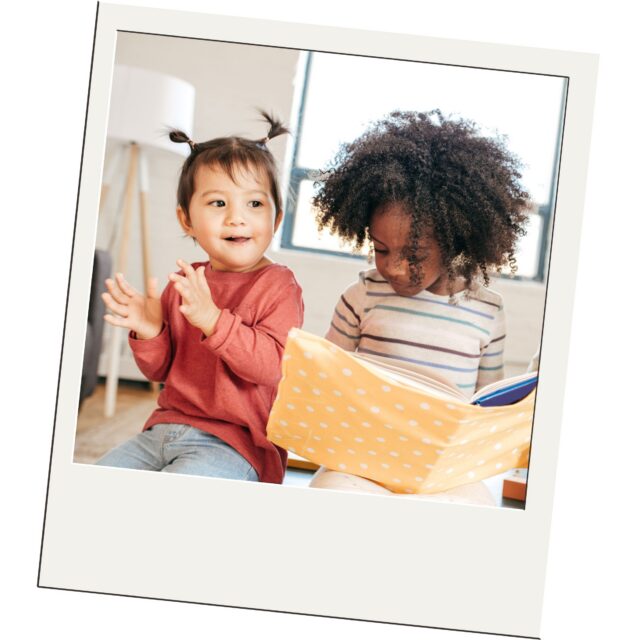
Friendship starts with being around other children
Young children learn a huge amount by watching the people around them.
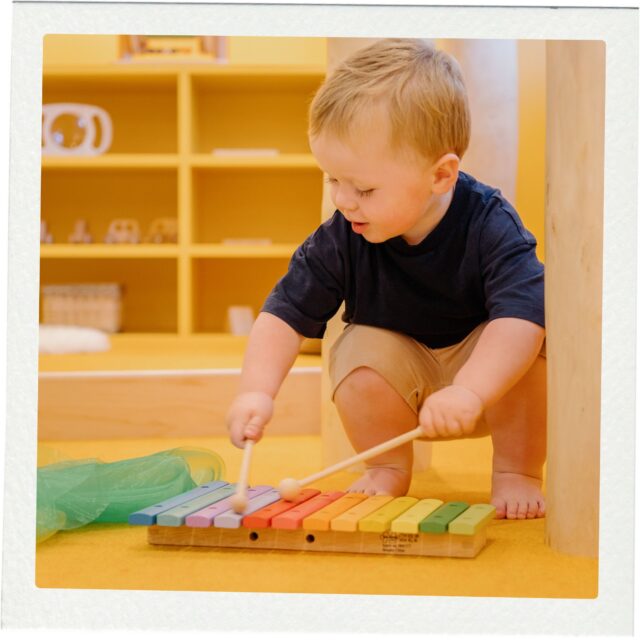
A toddler might watch another child building with blocks before moving closer and eventually joining in. They may not speak to each other or play together straight away, but they’re already learning about social interaction.
This is one reason regular opportunities to spend time with other children can be valuable.
At nursery, children have the chance to spend time with their peers every day, giving them plenty of opportunities to observe, experiment and practise social skills.
Parallel play is an important step
If your toddler plays alongside another child without actually playing with them, there’s no need to worry.
This is often called parallel play, and it’s a normal part of early social development.
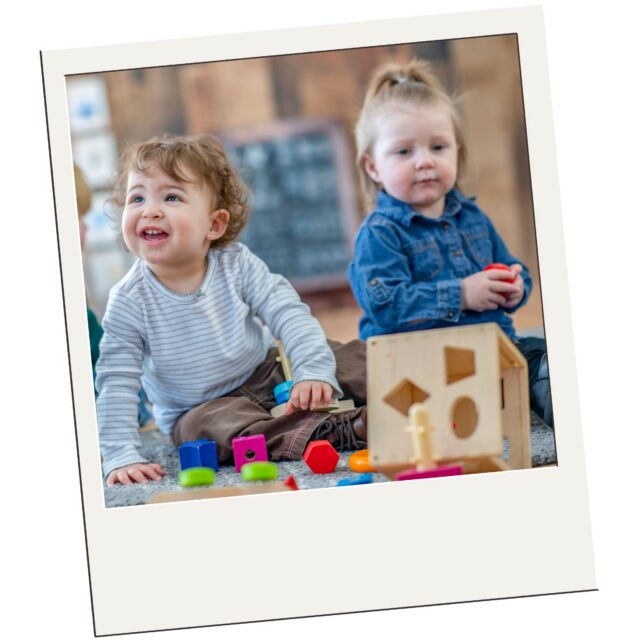
Two children might sit next to each other, each building their own tower or playing with their own cars. They’re sharing a space and becoming comfortable around each other, even if they’re not yet cooperating.
Over time, these experiences can develop into more interactive forms of play.
Children learn to communicate through play
Play gives children a natural reason to communicate.
They might need to:
- ask another child for a toy
- explain what they’re doing
- decide what game to play
- listen to someone else’s idea
- negotiate whose turn it is
- ask for help
- tell someone they don’t like something
These small moments help children practise communication in meaningful situations.
Sharing and taking turns take time
“Share nicely” can sound simple to an adult, but sharing is a complex skill for a young child.
Toddlers are still developing their understanding of ownership, waiting and other people’s perspectives. Being asked to hand over a favourite toy can feel genuinely difficult.
Rather than expecting perfect sharing every time, adults can help children practice taking turns and put words around what’s happening.
For example:
“You’re still playing with the train. When you’re finished, Oliver can have a turn.”
This helps children understand that they don’t necessarily have to give something up forever.
Friendships help children develop empathy
As children become more aware of other people’s feelings, friendships give them opportunities to practice empathy.
They might notice that another child is upset, offer a toy to someone who is sad or realise that a game isn’t fun for someone else.
Adults can support this by helping children notice emotions without forcing a particular response.
“You noticed that Mia was crying. I wonder if she was upset because the tower fell down.”
Over time, children begin to develop a stronger understanding of how their actions can affect other people.
Disagreements are part of learning
Friendship doesn’t mean children will always get along.
Arguments over toys, turns and games are a normal part of learning how to interact with other people.
Rather than solving every disagreement immediately, adults can help children develop the skills to work through small conflicts.
Depending on their age, this might involve helping them name what happened, listen to each other and think about what they could do next.
How can parents help children make friends?
You don’t need to organise elaborate playdates every weekend.
Simple opportunities can be enough:
- visit your local playground
- attend baby or toddler groups
- give your child time to play with familiar children
- model friendly interactions
- read stories about friendship
- talk about characters’ feelings
- give children opportunities to practise taking turns
- let them have some space to work things out themselves
Most importantly, try not to compare your child’s friendships with other children’s.
Some children are naturally more outgoing, while others need more time to feel comfortable.
How nursery can support friendships
A nursery environment gives children a consistent opportunity to develop social skills alongside their peers.
At kinderzimmer, play is a central part of our approach. Our environments are designed to encourage children to explore independently while also creating opportunities for collaboration and shared experiences.
Our approach is built around Independence, Exploration and Wonder, with children encouraged to develop confidence in their own ideas while learning alongside others.
You can explore the kinderzimmer curriculum to find out more about how we support children’s development through play and exploration.
The bigger picture
Children don’t need to know how to make a best friend overnight.
Friendship develops gradually, through play, communication, conflict, cooperation and countless everyday interactions.
Giving children time, space and supportive adults around them allows those skills to grow naturally.