Gentle Parenting: What Does It Actually Mean?
“Gentle parenting” is a phrase you’ve probably come across online, but what does it actually mean?
The term is used in lots of different ways, and social media can sometimes make parenting approaches feel much more complicated than they need to be.
At its heart, gentle parenting is generally associated with responding to children with empathy and respect while recognising that they are still developing the skills they need to manage emotions and behaviour.
Importantly, gentle parenting doesn’t mean saying yes to everything.
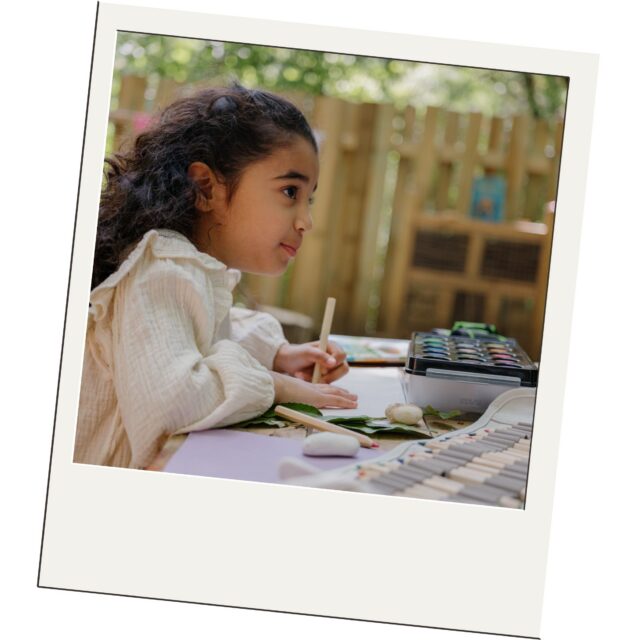
Gentle parenting isn't about having no boundaries
One of the biggest misconceptions about gentle parenting is that it means children are never told no.
Boundaries are still important.
Young children need adults to help them understand what is safe, acceptable and expected. The difference is often in how those boundaries are communicated.
For example:
“You’re angry because you want to keep playing. It’s time to go home now.”
This acknowledges the child’s feelings while keeping the boundary.
Why do toddlers struggle with big feelings?
Toddlers are still developing the ability to manage their emotions.
When they’re overwhelmed, they may cry, shout, hit, throw things or have a tantrum.
The NHS describes these big emotional reactions as part of normal toddler development and recommends helping children recognise and manage their feelings rather than simply expecting them to calm themselves independently.
Connection comes before correction
When a child is extremely upset, they may not be ready to listen to a long explanation.
You can start by helping them feel safe and understood.
For example:
“I can see you’re really angry.”
“You wanted to do it yourself.”
“You’re upset because we have to leave.”
Naming the feeling doesn’t mean approving of every behaviour. It simply helps your child understand what’s happening.
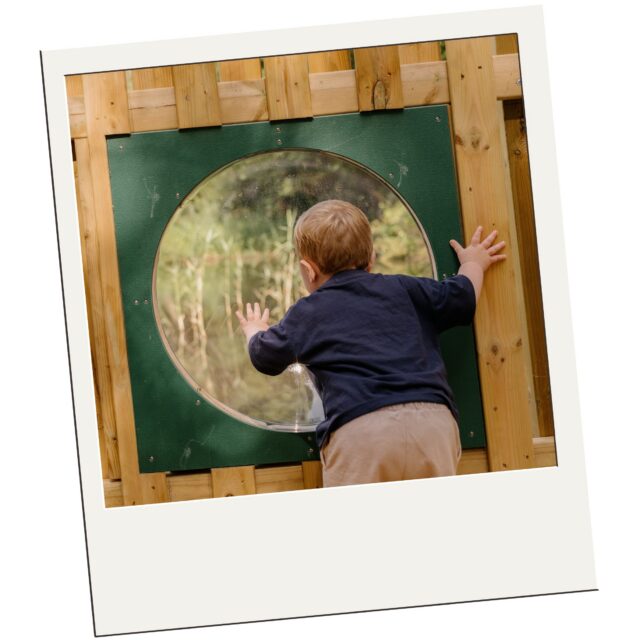
You can validate feelings without accepting behaviour
This distinction can be really useful.
You can say:
“It’s OK to feel angry. It’s not OK to hit.”
“I know you want the toy. I’m not going to let you take it from her.”
“You’re upset that we’re leaving. We’re still going home.”
The feeling is accepted. The boundary remains.
The NHS recommends a similar approach through its “regulate, relate and reason” guidance: first help a child calm, then reconnect, and only then talk through what happened and what needs to happen next.
Gentle parenting doesn't mean perfect parenting
This is perhaps the most important part.
You are going to lose your patience sometimes.
You are going to say something you wish you’d phrased differently.
You are going to have days where everyone is tired and the morning routine feels impossible.
Gentle parenting isn’t about responding perfectly every time. It’s about trying to build a relationship where your child feels safe, understood and supported while still having clear boundaries.
Practical ways to try a gentler approach
Give simple choices
Instead of:
“Get dressed now.”
Try:
“Do you want the blue top or the green one?”
You’re still setting the expectation that getting dressed needs to happen, but your child has some control over how they do it.
Give warnings before transitions
“Five more minutes, then we’ll tidy up.”
This can make changes feel less sudden.
Name emotions
“You look frustrated.”
“I think you’re disappointed.”
“You seem really excited.”
This helps children gradually build a vocabulary for their internal experiences.
Stay calm where you can
This is easier said than done, especially when you’re running late.
But when an adult remains calm, it can help a child feel safer while they work through a big emotion.
Keep boundaries consistent
Children need to know that boundaries mean something.
Being gentle doesn’t require changing a boundary every time your child becomes upset about it.
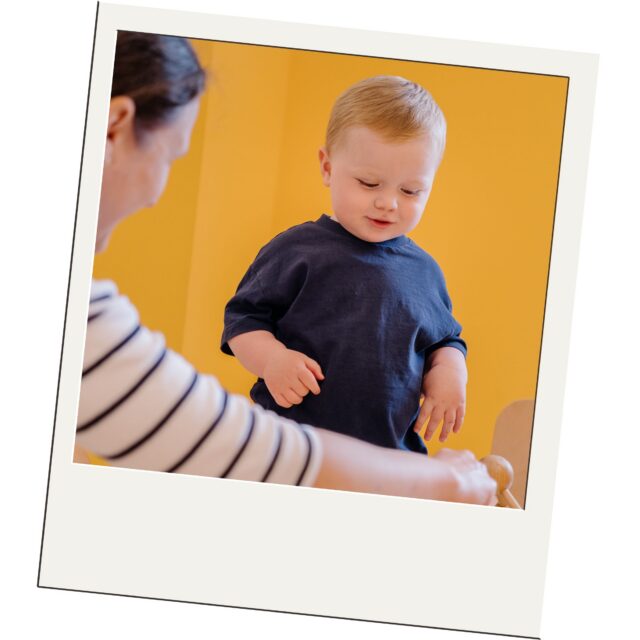
How kinderzimmer approaches children's behaviour
At kinderzimmer, we place relationships at the heart of early years education.
Our approach is based around Independence, Exploration and Wonder, while recognising that children develop at different rates and need support that reflects their individual needs.
Educators help children understand their emotions, communicate their needs and gradually develop the confidence and skills to manage more independently.
Explore the kinderzimmer approach.
In the end, it’s about the relationship
Gentle parenting doesn’t mean there are no rules, no boundaries or no difficult moments.
It means trying to remember that behind challenging behaviour is a young child who is still learning.
Sometimes the gentlest response is simply:
“I know this is hard. I’m here. And the answer is still no.”
You Might Also Like...